Welcome And Session 1: Sounds Right, Might Be Wrong: What AI Is, What It Isn’t, and How People Use It
Session 1
Speakers
-
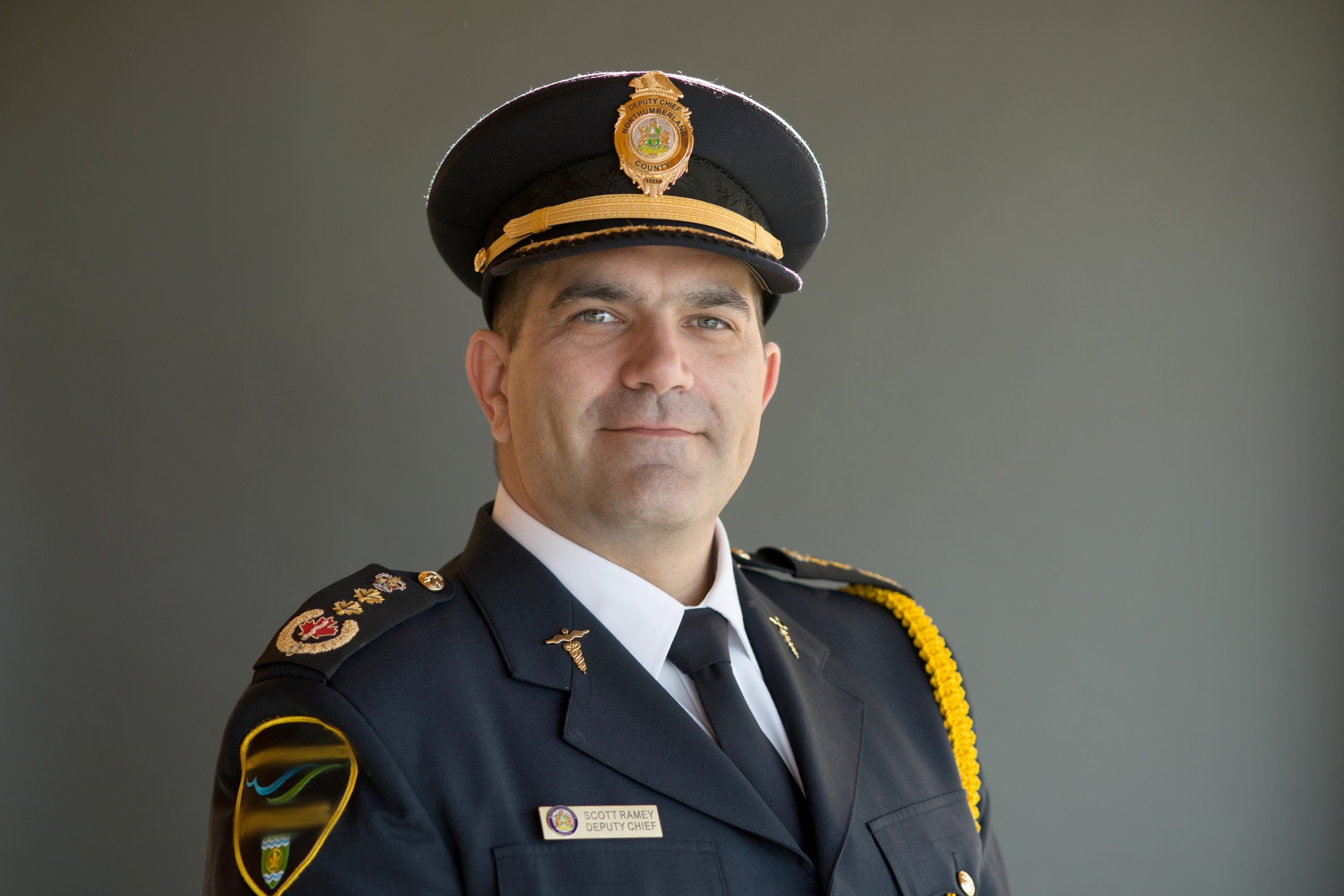
Scott Ramey - MScHQ, PhD(c), Founder,Scott Ramey is an emergency services senior leader with 35 years in paramedicine and the fire service across three Canadian provinces, from critical care flight paramedic to executive fire leadership. He is a PhD candidate in Systems Design Engineering (Human Factors) at the University of Waterloo, where his research examines how people in emergency services work with AI decision support under pressure, including trust, reliability and human-AI teaming. As Principal Investigator, he led AI-ERADS, a Defense Research and Development Canada program that turned human factors AI decision support research into operational tools. His systematic review of 32 studies of AI in emergency services found that most systems lack human-centred design that includes the people who use them. He leads The Human Factor (thehumanfactor.ca), a practice that helps public safety organizations assess their systems and adopt AI responsibly.
Summary
AI is already part of policing, and increasingly part of the board table. This opening session gives board members a plain-language foundation for the day: what today's AI is and isn't, where it came from, and why it can sound most convincing exactly when it is wrong. Drawing on human factors research, including a systematic review of AI decision support in emergency services and a review of how emergency services are governing AI use, Scott explains how people respond to AI, from trust and skepticism to over-reliance and the pull of fluent but inaccurate answers. Using emergency-services examples, he shows what meaningful human review requires, and why a human in the loop is necessary but not automatic. Board members will leave with a short set of questions to ask of any AI proposal, and of their own use.

Session 2: Governing AI: The Board’s Role, the Information It Needs and the Assurance It Should Expect
Session 2
Speakers
-
Stephanie Johanssen - MBA, Chief Governance Officer, London Police Service BoardStephanie Johanssen is the Chief Governance Officer of the London Police Service Board, where she leads the Board’s governance function and supports civilian oversight, statutory compliance, strategic planning, and public accountability. She brings more than a decade of cross-jurisdictional experience in police governance and public safety, including previously serving as Executive Director of the Vancouver Police Board. Her work has focused on governance modernization, policy, community engagement, strategic communications, and strengthening the systems that support effective civilian oversight and informed decision-making. Stephanie holds an MBA from Queen’s University Smith School of Business and has completed executive education in police governance through the Institute of Corporate Directors and the University of Toronto’s Rotman School of Management.
Summary
What does a police board need to know to oversee AI responsibly? This session explores the distinction between board and service responsibilities, the information boards should request, and the assurance they should expect. Participants will consider how early involvement and collaboration with police leadership and technology providers can support informed oversight.
Session 3: Before Your Board Uses AI, Govern It
Session 3
Speakers
-
Paul Smith - Advisor & Speaker, The Board FuturistPaul Smith helps boards understand and navigate the opportunities and challenges of AI. He is the author of The Artificially Intelligent Boardroom and Right Seat Right Table, and founder of Future Directors and Future Boards. His sessions focus on practical, responsible AI use and the governance expectations boards need to establish.
Summary
AI is already finding its way into board work. This session explores the guardrails boards need for responsible use, including confidentiality, acceptable uses, human review and accountability. Participants will consider what a practical board AI policy should address and how to establish clear expectations for members and administrators.
Session 4: It’s Not Google: Practical, Safe AI Use for Police Board Members
Session 4
Speakers
-
Paul Smith - Advisor & Speaker, The Board FuturistPaul Smith helps boards understand and navigate the opportunities and challenges of AI. He is the author of The Artificially Intelligent Boardroom and Right Seat Right Table, and founder of Future Directors and Future Boards. His sessions focus on practical, responsible AI use and the governance expectations boards need to establish.
Summary
Getting useful results from AI takes more than typing a question. This practical session shows police board members how to give clear instructions, check responses and protect confidential information. Through examples and a guided exercise, participants will explore how AI can support board work while keeping human judgment and accountability firmly in place.

Session 5: AI Governance in Practice: Connecting Board Expectations, Service Implementation and Assurance
Session 5
Speakers
-
Robert Serpe - Executive Director, Peel Police Service BoardRobert Serpe is Executive Director of the Peel Police Service Board. He brings the board perspective to the summit’s discussion of AI governance, including how boards, police leadership and external experts can work together to support informed oversight and responsible adoption.
-
Richard Barber - Head, Software Business Development, NuEnergy.aiRichard Barber brings more than 25 years of executive leadership experience and a background in science, business and board governance. He leads Software Business Development at NuEnergy.ai and is CEO of Mind Tech Group, advising boards and senior leaders on AI governance, risk and strategy. Richard holds the ICD.D and GPC.D governance designations and is an instructor for Diligent’s AI Ethics & Board Oversight certification.
-
Anthony Odoardi - Deputy Chief, Innovation and Technology Command, Peel Regional PoliceDeputy Chief Anthony Odoardi began his policing career in 1995 and joined Peel Regional Police as Deputy Chief in 2020. He leads Innovation and Technology Command, overseeing initiatives that support digital transformation and frontline policing. His experience includes public safety communications, technology strategy and serving as Executive Sponsor of Peel’s Human Rights Project with the Ontario Human Rights Commission.
-
Niraj Bhargava P.Eng., MBA, ICD.D - Deputy Chief, Innovation and Technology Command, Peel Regional PoliceNiraj Bhargava is Co-Founder and CEO of NuEnergy.ai, where he leads work on AI governance, education and technology for measuring and monitoring AI trust. He brings more than 30 years of experience in technology, entrepreneurship and business leadership, including leading companies focused on artificial intelligence and machine learning. A professional engineer and experienced director, Niraj has also served as a university dean and professor. He holds a degree in Systems Design Engineering, an MBA and the ICD.D designation.
Summary
How do board expectations translate into responsible AI use within a police service? Representatives from the Peel Police Service Board, Peel Regional Police and NuEnergy.ai will share their experience connecting governance, implementation and independent assurance. Participants will explore how clear roles, timely information and ongoing collaboration can help boards oversee AI adoption and its risks.
Session 6: From Governance Questions to Evidence: A Technology Provider’s Perspective
Session 6
Speakers
-
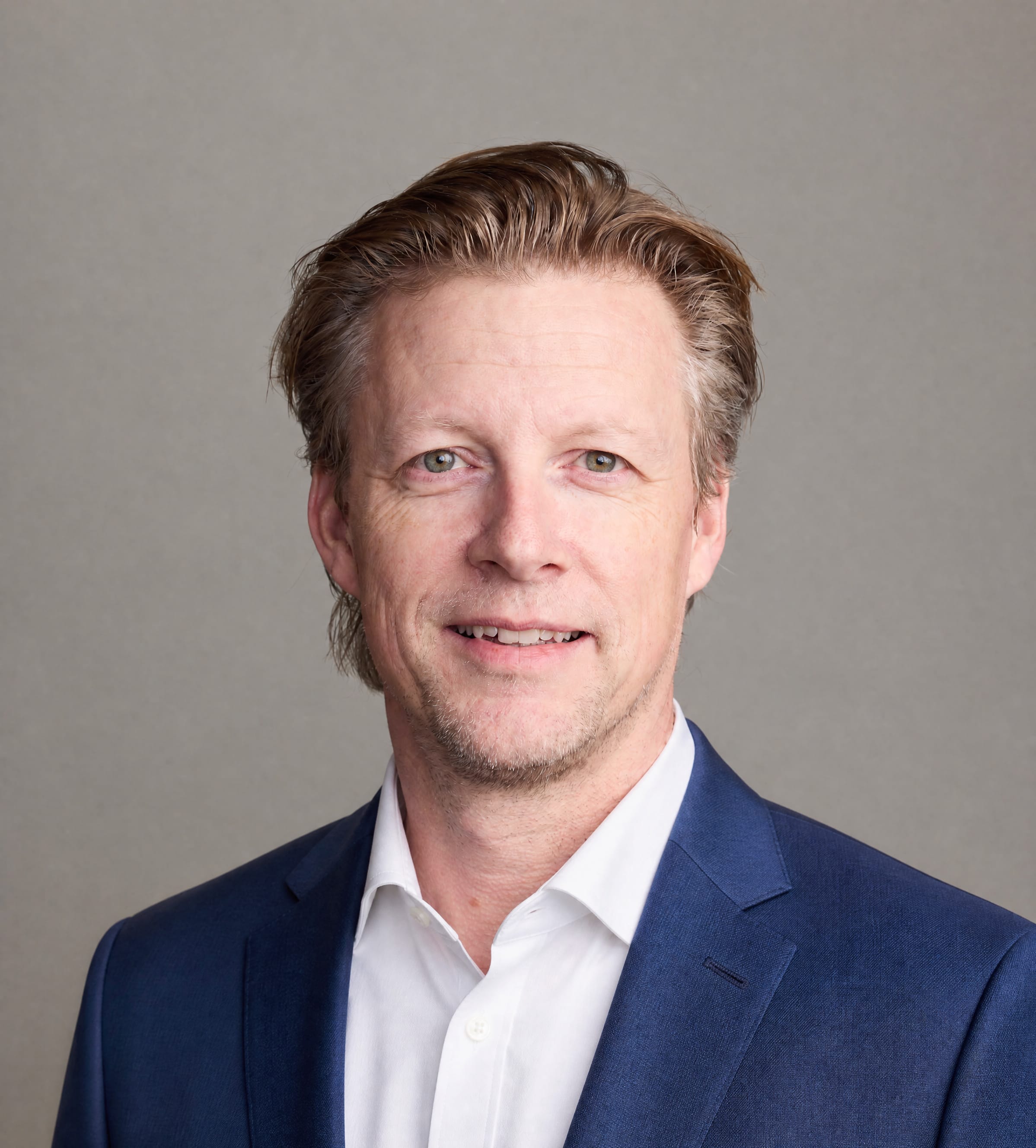
Stefan Schurman - Director of Sales, Axon Public Safety CanadaStefan Schurman brings more than 20 years of technology experience across large enterprises and technology start-ups. At Axon, he works with law enforcement and public safety agencies to improve efficiency through technology. He holds a Bachelor of Computer Science from Carleton University and has presented on digital tools for policing, including electronic officer notes and evidence management.
Summary
What should boards expect technology providers to explain about AI? This session offers a provider’s perspective on responding to governance questions about intended uses, limitations, data protection and human oversight. Participants will explore the evidence providers can supply to support informed decisions and ongoing accountability.
Session 7: Wrap-Up and Closing
Session 7
Speakers
-
Jeanine Lassaline-Berglund
Powered By GrowthZone